
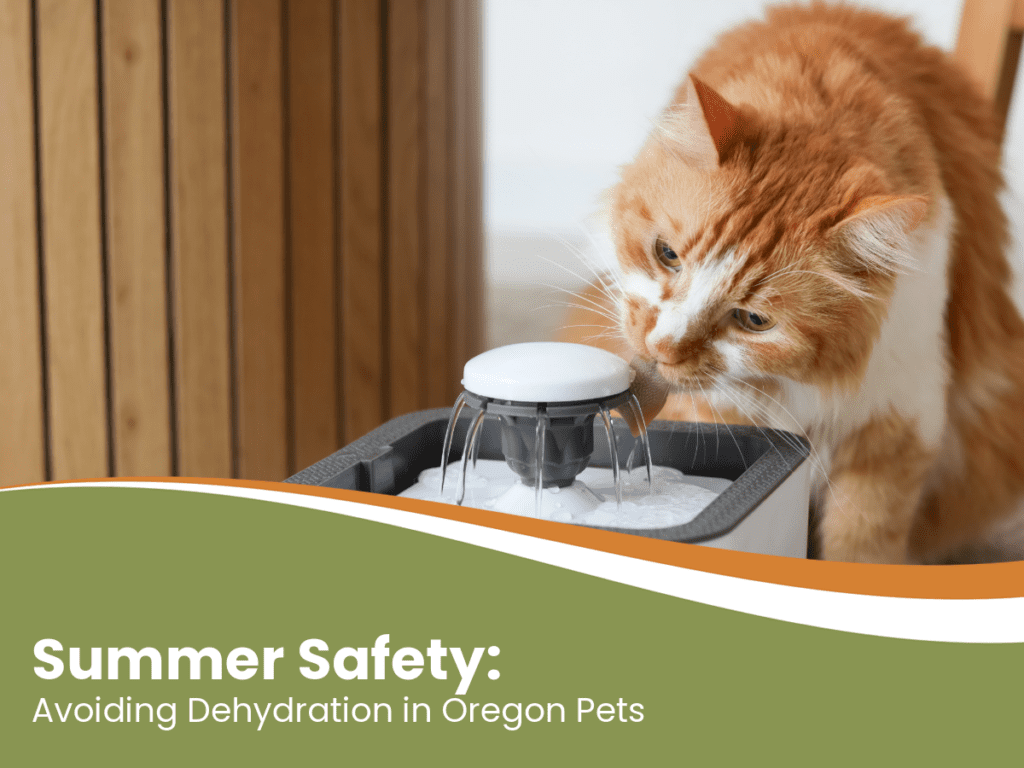
Summer Safety: Avoiding Dehydration in Oregon Pets
Summer in Oregon offers plenty of reasons to get outside with our pets, from backyard playtime to neighborhood walks to weekend adventures on local trails. But warmer weather also means pet owners need to pay close attention to hydration. These pet hydration tips can help you keep your dog or cat safer, more comfortable, and better supported during Oregon’s dry, sunny summer months.
At Nature’s Pet Market, we believe summer safety starts with simple, consistent habits. In our experience, pets can become dehydrated faster than many families expect, especially when they are active, excited, or spending time outdoors in direct sunlight.
How can Oregon pet owners prevent dehydration in summer?
Oregon pet owners can help prevent dehydration by offering fresh water throughout the day, bringing portable water on walks and trips, limiting activity during peak heat, providing shade, and adding moisture-rich foods when appropriate. Watching for early signs of dehydration also helps protect pets before heat-related issues become more serious.
Why Is Hydration So Important for Pets?
Water supports nearly every essential function in your pet’s body. It helps regulate body temperature, supports digestion, protects organ function, cushions joints, and facilitates nutrient movement throughout the body. During summer, pets lose more moisture through panting, activity, and exposure to warm air.
Unlike people, dogs and cats do not cool themselves efficiently through sweating. Dogs mainly cool down by panting, while cats rely on grooming, shade-seeking, and limited sweating through their paw pads. That means they can overheat quickly, especially during hot afternoons or extended outdoor activity.
Our team recommends treating hydration as part of your pet’s daily wellness routine, not just something to think about on a hike or during a road trip. A pet that is well-hydrated before going outside is better prepared to handle warm weather safely.
What Are Common Signs of Dehydration in Dogs and Cats?
One of the most important pet hydration tips is learning to recognize when your pet may not be getting enough fluids. Early signs can be subtle, but they should never be ignored.
- Excessive panting
- Dry or sticky gums
- Thick saliva
- Lethargy or unusual tiredness
- Loss of appetite
- Sunken-looking eyes
- Dark yellow urine or less frequent urination
- Reduced skin elasticity
If your pet seems weak, confused, unable to cool down, or is vomiting, contact your veterinarian right away. Dehydration and heat exhaustion can become serious quickly, especially for senior pets, puppies, kittens, flat-faced breeds, overweight pets, and pets with existing health concerns.
Simple Pet Hydration Tips for Oregon Summers
Good hydration does not have to be complicated. We have found that the most effective summer safety habits are often the easiest ones to repeat every day.
Keep Fresh Water Available at All Times
Make sure your pet always has access to clean, fresh water. During summer, refill bowls more often and wash them daily to keep water appealing. If your pet spends time in multiple areas of the home or yard, consider placing multiple water stations nearby.
Bring Water on Every Walk or Outing
Even a short walk can become dehydrating when sidewalks are hot, and the sun is strong. Carry a portable pet water bottle or a collapsible bowl, and offer water breaks before your pet shows signs of thirst. Dogs often keep playing or walking even when their bodies need a break because they are excited.
Choose Cooler Times of Day
Morning and evening are usually safer times for outdoor activity. Midday heat can raise the risk of dehydration, burned paw pads, and overheating. If the pavement feels too hot for your hand, it is too hot for your pet’s paws.
Offer Shade and Rest Breaks
Shade helps pets regulate their body temperature and reduces moisture loss from panting. Whether you are in the backyard, at a park, or traveling, create regular opportunities for your pet to rest in a cooler area.
Can Food Help Support Pet Hydration?
Yes, food can help with hydration. Raw and fresh foods naturally contain more moisture than dry kibble, which can support daily fluid intake as part of a balanced diet. For many pets, adding moisture-rich foods can be a practical way to support long-term health year-round, especially during summer.
In our experience, some pets also enjoy hydrating additions such as pet-safe bone broth, goat milk, or fresh food toppers. These options can encourage fluid intake while adding wholesome nutrition. As always, new foods should be introduced gradually and chosen based on your pet’s individual needs.
At Nature’s Pet Market, our Certified Nutritional Specialists can help you explore biologically appropriate raw and fresh options that fit your pet’s age, lifestyle, preferences, and health goals.
How Can You Encourage a Pet to Drink More Water?
Some pets need a little encouragement to drink enough water, especially cats and picky dogs. Try simple changes before assuming your pet is just not thirsty.
- Refresh water several times per day.
- Use a pet fountain for animals who prefer moving water.
- Try a wider bowl if your cat dislikes whisker contact.
- Add moisture-rich food or approved toppers.
- Place bowls away from litter boxes and heavy foot traffic.
- Bring familiar water and bowls when traveling.
Small adjustments can make a big difference. We have found that pets are more likely to drink when water is clean, easily accessible, and offered in a way that matches their preferences.
When Should You Be Extra Careful?
Some summer situations call for extra caution. Hydration is especially important during hiking, camping, road trips, outdoor events, and long play sessions. Pets may also need closer monitoring during wildfire smoke season, when poor air quality can make breathing and temperature regulation more difficult.
Senior pets, very young pets, and pets with kidney, heart, or digestive issues may also need more hydration support. If your veterinarian has given specific fluid or dietary guidance, follow that advice closely.
Visit Nature’s Pet Market for Summer Pet Hydration Guidance
The best summer routines are simple, supportive, and built around your pet’s individual needs. With fresh water, smart timing, shade, rest breaks, and moisture-rich nutrition, you can help your pet enjoy Oregon’s warmer months more safely.
We invite you to stop by Nature’s Pet Market in Medford or Ashland to talk with our team about summer wellness, raw and fresh food options, hydrating toppers, and practical pet hydration tips for your dog or cat. Our goal is to help every local pet owner feel informed, confident, and supported in making choices that promote long-term health.
Frequently Asked Questions
How much water should my pet drink each day?
A general guideline is that dogs should drink about one ounce of water per pound of body weight per day, though activity level, diet, temperature, and health conditions can affect this amount. Cats may drink less visibly, especially if they eat moisture-rich foods.
Are cats at risk of dehydration in summer?
Yes. Cats can become dehydrated, especially if they do not drink much water or spend time in warm areas. Moisture-rich foods, fountains, and fresh water stations can help encourage better hydration.
Can I give my pet ice cubes in hot weather?
Many pets can safely enjoy small ice cubes or frozen pet-safe treats, but they should not replace regular access to fresh water. Always supervise your pet and avoid anything that could create a choking risk.
Published: June 15, 2026
Category: Nutrition
Related Reading


Visit Nature's Pet Market
Quality pet food, treats, and supplements from brands you can trust.
Posted Under: Nutrition