
Pet Food for Hot Spots: Nutrition for Healthy Skin
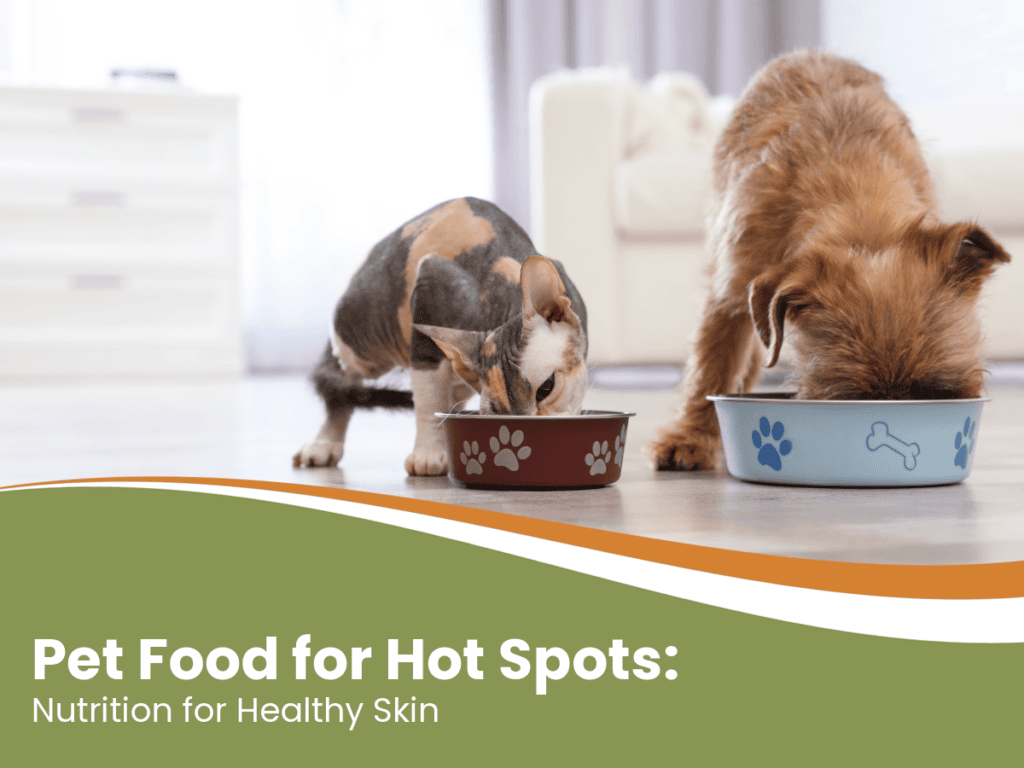
When your dog or cat is constantly licking, chewing, scratching, or developing irritated patches of skin, it can be stressful for both of you. While hot spots can have many causes, choosing the right pet food for hot spots is one important way to support healthier skin from the inside out.
At Nature’s Pet Market, we believe skin health is closely connected to overall wellness. In our experience, pets often feel and look their best when their food is wholesome, biologically appropriate, and thoughtfully chosen for their individual needs. Nutrition may not be the only answer to hot spots, but it can play a meaningful role in helping the skin stay stronger, calmer, and better supported over time.
What is the best pet food for hot spots?
The best pet food for hot spots is typically a high-quality, skin-supporting diet made with digestible protein, healthy fats, limited unnecessary fillers, and ingredients that help support the immune system. Many pets benefit from raw and fresh foods, omega-rich ingredients, and formulas selected to reduce common food sensitivities.
What Are Hot Spots in Pets?
Hot spots are irritated, inflamed areas of skin that can appear red, moist, itchy, or painful. Dogs are especially prone to them, but cats can experience similar skin irritation, too. They often develop quickly because pets lick, chew, or scratch an uncomfortable area, which makes the skin more irritated and creates a cycle that can be hard to stop.
Common triggers may include fleas, seasonal allergies, environmental irritants, moisture trapped under the coat, grooming issues, food sensitivities, or underlying skin imbalances. Because hot spots can become infected, we always recommend checking with your veterinarian if your pet has open sores, spreading irritation, strong odor, bleeding, swelling, or signs of pain.
Nutrition matters because the skin is a living organ that depends on the rest of the body for support. A pet’s diet provides the building blocks for healthy skin cells, a resilient coat, immune balance, and a normal inflammatory response. When those building blocks are missing or poorly absorbed, the skin can become more vulnerable to irritation.
How Can Nutrition Help Prevent Hot Spots?
Nutrition helps prevent hot spots by supporting the skin barrier, immune function, digestion, and coat health. A strong skin barrier is better able to resist irritation, while a healthy digestive system helps the body absorb the nutrients needed for repair and maintenance.
Our Certified Nutritional Specialists often talk with local pet parents about skin concerns, and we have found that the conversation usually starts with the basics: protein quality, fat quality, ingredient transparency, moisture, and possible sensitivities. The goal is not to chase one magic ingredient. The goal is to build a healthier nutritional foundation.
For many pets, that foundation may include raw and fresh food, gently prepared meals, limited-ingredient formulas, freeze-dried raw options, or carefully selected kibble supported with fresh toppers. Every pet is different, and the best approach depends on age, breed, activity level, health history, budget, and what your pet will actually eat consistently.
Why Protein Quality Matters for Skin Health
Protein provides amino acids, which the body uses to build and maintain skin, hair, muscles, enzymes, and immune cells. If a pet’s food contains low-quality or hard-to-digest protein, the body may not get the support it needs for long-term skin resilience.
In our experience, pets with recurring skin issues may benefit from foods made with clearly named animal proteins such as beef, turkey, lamb, duck, salmon, rabbit, or venison. Ingredient transparency matters. When you know exactly what protein your pet is eating, it is much easier to identify patterns and choose a formula that works well for their body.
Some pets do better with familiar proteins. Others may need a novel protein, meaning a protein they have not eaten regularly before. This can be especially helpful when food sensitivities are suspected. Our team recommends making protein changes thoughtfully rather than switching from bag to bag without a plan, because too many rapid changes can make it harder to know what is helping.
Do Healthy Fats Help with Hot Spots?
Healthy fats are one of the most important nutritional tools for skin and coat support. Omega-3 fatty acids, often found in fish oils and marine-based ingredients, help support normal inflammatory response and skin comfort. Omega-6 fatty acids also play a role in coat quality and skin barrier function, though balance matters.
If a pet’s diet is too low in quality fats, the coat may look dull, the skin may feel dry or flaky, and irritation may become more noticeable. Adding the right fat source can sometimes make a visible difference in coat shine and skin comfort over time.
Fresh food and raw food options often include more naturally occurring moisture and fat diversity than highly processed diets. For some pets, adding a high-quality omega supplement, sardines, salmon-based food, or skin-focused topper may provide additional support. However, supplements should match the pet’s size, needs, and overall diet. More is not always better.
Can Food Sensitivities Cause Skin Irritation?
Food sensitivities can contribute to itching, chewing, ear irritation, digestive upset, and recurring skin problems in some pets. They are not the cause of every hot spot, but they are worth considering when irritation keeps returning or occurs alongside other symptoms.
Common sensitivity triggers may include certain proteins, grains, dairy, eggs, chicken, beef, or highly processed ingredients, depending on the individual pet. The tricky part is that no single ingredient is a problem for every animal. One dog may thrive on chicken while another does better without it. One cat may need a simpler formula, while another may need more moisture and a wider variety of protein sources.
When sensitivities are suspected, our Certified Nutritional Specialists may recommend a limited-ingredient diet, a novel protein, or a structured food transition. We encourage pet parents to keep notes on what their pet eats, when itching increases, which treats are provided, and whether digestive changes occur at the same time. Patterns are helpful.
Why Moisture-Rich Food Supports Skin and Coat Health
Moisture is often overlooked in skin health conversations. Many pets, especially cats, do not drink enough water to fully make up for a dry-food-only diet. Moisture-rich meals can support hydration, digestion, urinary health, and overall wellness.
Raw and fresh diets naturally contain more moisture than dry kibble. Even if a pet parent is not ready to switch completely, adding wet food, bone broth, raw toppers, or rehydrated freeze-dried food can increase moisture and improve meal quality. Small changes can be a realistic starting point.
We are not here to make anyone feel guilty about what they currently feed. Our goal is to help local pet parents make informed improvements that fit their pet and their household. Sometimes that means a full raw transition. Sometimes it means adding fresh toppers to a current food. Sometimes it means choosing a cleaner kibble and building from there.
What Ingredients Should Pet Parents Look For?
When choosing pet food for hot spots, look for ingredients that support digestion, skin repair, immune health, and coat quality. Clean, recognizable ingredients are a good place to start.
- Named animal proteins: Look for specific proteins such as turkey, salmon, lamb, beef, duck, or rabbit rather than vague meat sources.
- Omega-rich ingredients: Fish, fish oil, marine oils, and certain seeds can support skin and coat health.
- Moisture-rich foods: Raw, fresh, gently cooked, wet, or rehydrated foods can help support hydration.
- Simple formulas: Limited-ingredient diets may help pets with suspected sensitivities.
- Digestive support: Probiotics, fiber from whole-food sources, and gentle formulas can help support nutrient absorption.
- Whole-food nutrients: Vitamins, minerals, and antioxidants from quality ingredients support long-term health.
Just as important, pet parents may want to reduce unnecessary fillers, artificial colors, excess sugars, and vague ingredient lists. The more transparent the formula, the easier it is to understand what your pet is eating.
How Should You Transition to a Skin-Supporting Food?
A slow transition is usually best when changing your pet’s food. Sudden changes can upset digestion, and digestive stress can make it harder to evaluate whether the new food is helping.
- Start with a plan. Choose one main food change at a time so you can clearly track results.
- Transition gradually. Mix a small amount of the new food with the old food and increase slowly over several days or weeks.
- Watch the whole pet. Track itching, stool quality, coat texture, energy, ear irritation, and appetite.
- Keep treats consistent. Treats can contain proteins or ingredients that affect skin, so do not overlook them.
- Ask for guidance. If your pet has a sensitive stomach or a long history of skin issues, talk with your veterinarian and our Certified Nutritional Specialists before making major changes.
Some pets show improvement quickly, while others need more time. Skin and coat changes often take weeks because the body needs time to absorb nutrients, calm irritation, and grow healthier hair and skin cells.
When Should You Talk to a Veterinarian?
Nutrition is powerful, but hot spots can sometimes require medical care. If your pet has a raw, painful, spreading, oozing, or infected-looking spot, contact your veterinarian. You should also seek veterinary guidance if your pet seems lethargic, has a fever, is losing hair rapidly, or cannot stop licking and chewing.
Veterinary care can help address infection, parasites, pain, allergies, or other medical causes. Nutrition can then support the body before, during, and after treatment. We see the best results when pet parents take a whole-pet approach rather than treating food, grooming, and veterinary care as separate issues.
How Nature’s Pet Market Helps Local Pet Parents
At Nature’s Pet Market, our team is passionate about helping pets thrive through better nutrition. We carry raw and fresh foods, biologically appropriate diets, limited-ingredient options, wholesome treats, and skin-supporting toppers selected with ingredient quality in mind.
Our Certified Nutritional Specialists can help you compare formulas, identify possible sensitivity triggers, choose appropriate proteins, and find realistic ways to improve your pet’s meals. We are local, welcoming, and education-first. You do not need to have everything figured out before you visit.
If your pet struggles with recurring skin irritation, we invite you to stop by our Medford or Ashland store and talk with our team. Together, we can look at your pet’s current diet, discuss possible next steps, and help you choose pet food for hot spots that supports healthier skin from the inside out.
Frequently Asked Questions
Can changing pet food help prevent hot spots?
Changing pet food may help when hot spots are connected to food sensitivities, poor skin barrier support, low-quality fats, or digestive issues. It is not a guaranteed cure, but a better diet can support healthier skin, a stronger coat, and improved long-term resilience.
What protein is best for pets with hot spots?
The best protein depends on the individual pet. Some pets do well with fish, turkey, lamb, duck, rabbit, or venison, especially if they need a novel protein. If sensitivities are suspected, a limited-ingredient food with a clearly named protein may be helpful.
Are raw and fresh foods good for skin health?
Raw and fresh foods can support skin health because they often provide quality animal protein, natural moisture, healthy fats, and biologically appropriate ingredients. The right choice depends on your pet’s needs, health history, and how well they transition to new foods.
How long does it take to see skin improvements after changing food?
Some pets show changes within a few weeks, but skin and coat improvements often take longer. It may take several weeks to a few months to evaluate whether a new food is helping, especially if the pet has ongoing allergies or recurring irritation.
Posted Under: Nutrition