
When a Pet Suffers from Seasonal Allergies: Signs to Watch For
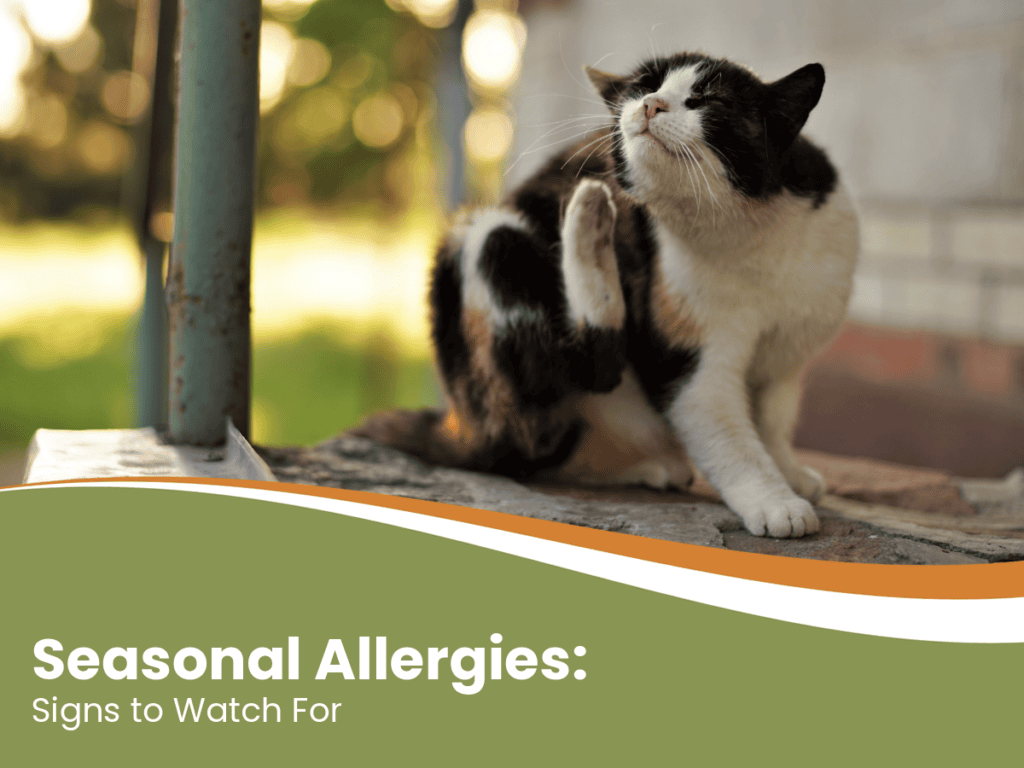
How can I tell if my pet has seasonal allergies?
A pet may have seasonal allergies when itching, paw licking, skin redness, ear irritation, sneezing, or watery eyes repeatedly appear during spring, summer, or fall. Symptoms often return around the same time each year. Because fleas, infections, food reactions, and other health concerns can look similar, a veterinarian should evaluate persistent or severe symptoms.
What causes seasonal allergies in dogs and cats?
Seasonal allergies are usually reactions to substances that become more common at particular times of year. These environmental allergens may include grass pollen, tree pollen, weed pollen, mold spores, dust, and insect bites. Pets encounter them while walking through grass, resting outdoors, breathing the air, or carrying particles inside on their paws and coats.
Southern Oregon’s changing seasons can expose pets to several triggers. Spring brings blooming trees and grasses. Summer can mean dry, dusty conditions and more time outdoors. Late summer and fall may introduce weed pollen, smoke, mold, and plant debris. A pet does not need to spend the entire day outside to react. Allergens can enter the home on shoes, clothing, open-window air, and other animals.
Environmental allergies are often referred to as atopy or atopic dermatitis when they cause chronic allergic skin inflammation. Some pets have an inherited tendency toward these reactions, while others become more sensitive over time. The exact trigger and severity can differ widely from one animal to another.
What are the most common signs of seasonal allergies in pets?
People often associate allergies with sneezing, but dogs and cats commonly show allergy discomfort through their skin. In our experience, pet owners may first notice repeated scratching or licking rather than obvious respiratory symptoms.
- Frequent scratching: Your pet may scratch its face, neck, belly, sides, or the area under the legs.
- Paw licking or chewing: Inflamed paws may look pink or red, smell unusual, or develop rusty saliva stains.
- Red or irritated skin: The belly, armpits, groin, face, and areas between the toes may be especially sensitive.
- Recurring ear problems: Head shaking, ear scratching, odor, redness, or discharge can accompany allergic inflammation.
- Excessive grooming: Cats may lick or pull at their fur until the coat becomes thin or bald in certain areas.
- Watery eyes or sneezing: Some pets develop eye or respiratory irritation, although skin symptoms are often more noticeable.
- Hot spots or sores: Persistent licking and scratching can damage the skin and contribute to painful, moist lesions.
Allergic inflammation may also make it easier for yeast or bacteria to overgrow on damaged skin or inside the ears. That can intensify itching and create a cycle of discomfort. A veterinarian should examine signs of infection, including odor, swelling, discharge, open sores, bleeding, or rapidly worsening redness.
How are seasonal allergies different from food allergies?
Seasonal and food-related reactions can produce overlapping symptoms, which makes self-diagnosis difficult. Environmental allergies often flare during a predictable season. Food allergies or sensitivities may cause symptoms year-round, although this distinction is not absolute. Flea allergy, mites, contact irritation, dry skin, and infections can also resemble either condition.
A veterinarian may begin by reviewing when the symptoms started, where the pet is itchy, whether flea prevention is up to date, and whether infections are present. When a food reaction is suspected, the veterinarian may recommend a carefully controlled elimination diet. Randomly changing foods every few weeks can make patterns harder to interpret, so our team recommends following a consistent plan developed with your veterinary professional.
What can I do at home to reduce seasonal allergens?
You may not be able to eliminate pollen, dust, and mold, but simple routines can reduce the amount your pet carries against the skin.
- Wipe paws and coats after outdoor time. Use a clean, damp cloth or a pet-safe wipe, paying attention to the feet, legs, belly, and face.
- Wash bedding regularly. Launder blankets, removable bed covers, and washable toys to remove pollen, dander, and dust.
- Vacuum and clean floors often. This is especially helpful during windy or high-pollen periods.
- Stay consistent with flea prevention. Even one flea bite can cause an intense reaction in a sensitive pet.
- Use gentle grooming products. A veterinarian or professional groomer can help determine an appropriate bathing schedule and skin-friendly shampoo.
- Track symptoms. Note the date, weather, outdoor activities, foods, treats, grooming products, and affected body areas.
A symptom journal can be surprisingly valuable. If itching begins each year after grasses bloom or improves after the first heavy rains, that pattern gives your veterinarian useful information.
Can nutrition support a pet with seasonal allergies?
Food does not remove pollen from the environment, and nutrition should not be presented as a cure for seasonal allergies. However, a complete and balanced diet can support the skin barrier, coat quality, immune function, and long-term health. Healthy skin is better equipped to perform its natural protective role.
Our Certified Nutritional Specialists can help pet owners compare biologically appropriate raw and fresh foods, limited-ingredient options, gently cooked foods, quality canned diets, and thoughtfully formulated dry foods. We focus on ingredient transparency and the individual pet, rather than assuming a single feeding style is right for every household.
Omega-3 fatty acids, particularly EPA and DHA from marine sources, may be included in a veterinarian’s broader plan for supporting skin health and managing inflammation. Dosage matters, and more is not always better. Before adding fish oil or any other supplement, ask your veterinarian about a suitable product and dose for your pet’s weight, diet, medications, and medical history.
When changing diets, transition gradually unless your veterinarian gives different instructions. A slow, structured transition can make it easier to monitor digestion, appetite, stool quality, and changes in the skin or coat.
Helping your pet feel more comfortable through every season
When a pet suffers from seasonal allergies, relief often comes from identifying patterns and combining professional veterinary care with consistent home routines. Small steps—clean paws, fresh bedding, appropriate grooming, reliable flea prevention, balanced nutrition, and careful observation—can make seasonal flare-ups easier to manage.
We invite you to visit Nature’s Pet Market in Medford or Ashland and talk with one of our Certified Nutritional Specialists. Bring information about your pet’s current food, treats, symptoms, and veterinary recommendations. Together, we can help you explore wholesome nutritional options that support healthy skin, a resilient coat, and your pet’s overall quality of life.
Frequently Asked Questions
Can dogs and cats suddenly develop seasonal allergies?
Yes. Allergies may become noticeable after repeated exposure, so a pet can develop symptoms even if it previously tolerated the same environment. New itching should still be evaluated because parasites, infections, and other conditions may cause similar signs.
Do seasonal allergies go away during winter?
Some pets improve when a particular pollen season ends, but indoor allergens such as dust mites and mold can cause symptoms at other times. Pets with multiple triggers may itch in more than one season or year-round.
Should I change my pet’s food because of seasonal itching?
Not automatically. Seasonal itching often comes from environmental allergens, while food reactions require a structured diagnostic approach. Talk with your veterinarian before beginning an elimination diet, and keep the diet consistent if a formal food trial is recommended.
Can omega-3 supplements help itchy skin?
Omega-3 fatty acids may support skin health and may be used as part of a veterinarian-directed allergy plan. Ask your veterinarian to recommend an appropriate source and dosage before adding a supplement, especially if your pet takes medication or has another medical condition.
Posted Under: Nutrition