Nutrient-Dense Dog Food: Why Pets Eat Less on Raw Diets
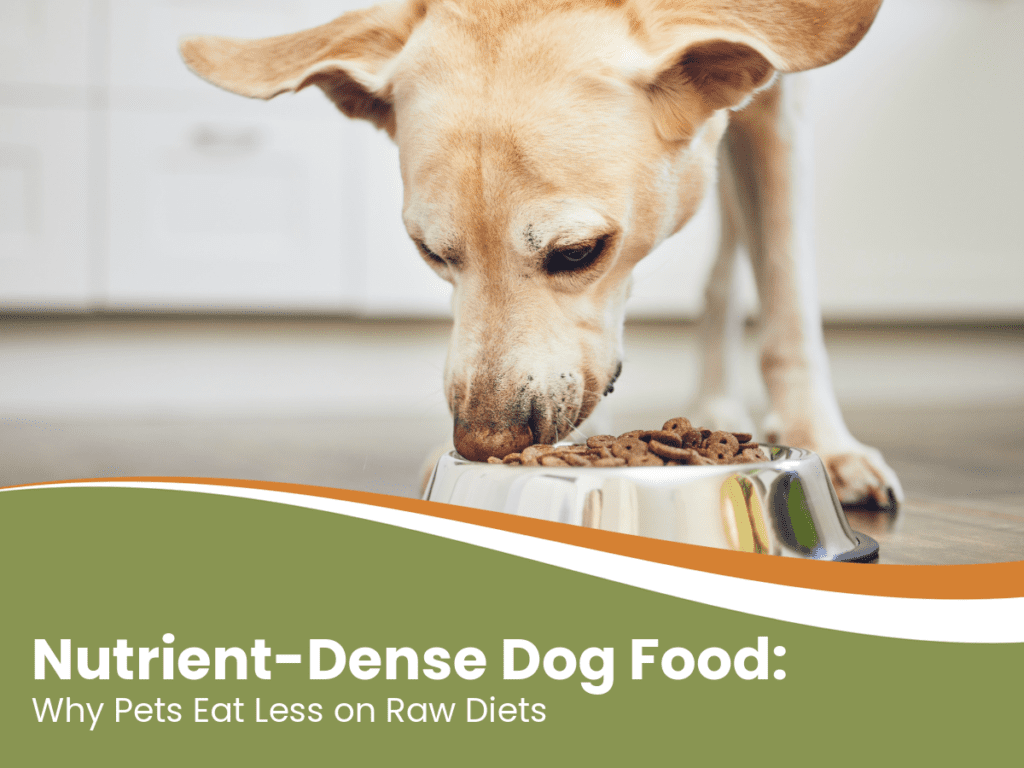
Many pet owners are surprised when they transition their dog to a raw, fresh diet and suddenly notice their pet eating less overall. In our experience, this change often raises questions at first. Is the pet getting enough nutrition? Is a smaller portion really healthy? The answer usually comes down to understanding nutrient density.
A biologically appropriate raw diet is designed to provide pets with highly usable nutrition from wholesome ingredients. Because nutrient-dense dog food contains more bioavailable nutrients and fewer unnecessary fillers, pets often need smaller portions to feel satisfied and maintain long-term health.
Why do pets eat less of nutrient-dense dog food?
Pets often eat less on nutrient-dense dog food because raw and fresh diets provide concentrated, biologically appropriate nutrition without excessive fillers or carbohydrates. Since the nutrients are more digestible and usable by the body, dogs can meet their nutritional needs with smaller portions while still maintaining healthy energy levels, muscle condition, and overall wellness.
What Does Nutrient Density Mean in Dog Food?
Nutrient density refers to the amount of beneficial nutrients contained within a serving of food. A food that is nutrient-dense delivers high levels of essential nutrients such as protein, healthy fats, vitamins, and minerals without relying on unnecessary additives or empty calories.
Many traditional dry foods contain fillers, starches, and heavily processed ingredients that increase the volume of food without significantly improving nutritional value. Dogs eating these diets may consume larger portions simply because their bodies are still searching for the nutrients they need.
In contrast, nutrient-dense dog food focuses on real, wholesome ingredients that naturally support a dog’s biological needs. Raw diets commonly include:
- High-quality muscle meat
- Organ meats rich in vitamins and minerals
- Healthy animal fats
- Ground bone or calcium sources
- Fresh vegetables and limited fruits
Because these ingredients are less processed and more biologically appropriate, pets can absorb and utilize the nutrition more efficiently.
How Raw Diets Improve Nutrient Absorption
One of the biggest reasons pets eat less on raw diets is improved digestibility. In our experience, many dogs transitioning to fresh food produce smaller stools, maintain healthier body composition, and appear more satisfied after meals. That is often because their bodies are using more of what they eat rather than passing large amounts of unused material through the digestive system.
Highly processed foods can lose nutritional value during manufacturing. Some nutrients are added back artificially afterward, but the body may not absorb synthetic nutrients as effectively as naturally occurring nutrients found in fresh ingredients.
Raw and fresh diets support:
- Better protein utilization
- More efficient digestion
- Improved nutrient absorption
- Steadier energy levels
- Healthier skin and coat condition
When a dog’s body receives the nutrients it truly needs, excessive hunger often decreases naturally.
Why Portion Sizes Are Often Smaller
Pet owners sometimes worry when feeding guidelines for raw diets recommend noticeably smaller portions compared to kibble. However, portion size alone does not determine nutritional value.
Think about the difference between eating a fast-food meal versus a balanced meal made from fresh ingredients. One may be larger in volume, but the other often leaves you feeling more nourished and satisfied. The same concept applies to pets.
With nutrient-dense dog food, pets typically consume fewer carbohydrates and fillers while receiving more usable protein and fats. Since protein and healthy fats provide longer-lasting satiety, dogs often feel full longer after meals.
Our team has found that many dogs maintain excellent body condition while eating less volume overall after transitioning to a raw diet. This can also help pet owners better manage healthy weight maintenance over time.
Signs Your Dog Is Thriving on a Nutrient-Dense Diet
Every pet is different, but there are several common indicators that a raw and fresh diet is supporting your dog’s long-term health successfully.
- Consistent healthy weight
- Lean muscle development
- Smaller and firmer stools
- Improved coat shine
- Healthy skin condition
- Steady daily energy
- Excitement during mealtime
In our experience, these improvements often occur gradually over the first few weeks or months of transitioning to a biologically appropriate diet.
Transitioning to Raw Food Safely
Changing your dog’s diet should always be approached thoughtfully. Some pets transition quickly, while others benefit from a gradual adjustment period. Our certified nutritional specialists recommend monitoring your pet’s weight, stool quality, appetite, and energy levels during any food transition.
Helpful transition steps include:
- Introduce fresh food slowly over several days
- Monitor digestion and stool consistency
- Feed balanced raw meals designed for complete nutrition
- Adjust portions based on body condition and activity level
- Consult knowledgeable pet nutrition professionals when needed
Because every dog has unique nutritional needs, guidance from experienced professionals can make the transition smoother and more successful.
Choosing the Right Nutrient-Dense Dog Food
Not all pet foods marketed as “premium” deliver the same level of quality or nutritional value. Ingredient transparency matters. We encourage pet owners to evaluate where ingredients come from, how foods are processed, and whether the recipes are designed to support biologically appropriate nutrition.
At Nature’s Pet Market, we believe education empowers pet owners to make informed decisions with confidence. Our team is passionate about helping local families find wholesome, raw, and fresh food options that fit their pets’ individual needs and lifestyles.
If you are curious about transitioning your dog to a more nutrient-dense dog food, we invite you to visit our Medford or Ashland locations. Our certified nutritional specialists are always happy to answer questions and help you explore fresh food solutions designed to support your pet’s long-term health and vitality.
Frequently Asked Questions
Is it normal for dogs to eat less on a raw diet?
Yes. Dogs often eat smaller portions on raw diets because the food contains more usable nutrition and fewer fillers. Nutrient-dense meals help dogs feel satisfied while still supporting healthy energy and body condition.
Does eating less mean my dog is unhealthy?
Not necessarily. If your dog maintains a healthy weight, energy level, and coat condition, smaller meal portions may simply reflect improved nutrient absorption and better dietary quality.
What makes raw food more nutrient-dense?
Raw food diets typically contain fresh muscle meat, organs, healthy fats, and minimally processed ingredients that retain more naturally occurring nutrients and support biologically appropriate nutrition.
Posted Under: Nutrition